
Table Top Games 101
We’ve all seen the stacks of old games at someone’s family’s place, possibly even your own. Clue, Monopoly, Scrabble, and others. These games, while they have their place, are pretty straightforward and lose their excitement as you grow up.
Thankfully, board games have moved forward since then into the world of what is called “European style” board games. This type of game balances strategy by giving you many ways to win, hides who is leading, and sometimes even involves cooperative play. The original example of this type of game is Settlers of Catan. This game really created a new style of tabletop gaming, which has been expanded upon greatly since.
Welcome to Table Top Games 101.
There are many different types of board games to jump into, and it can seem like an overwhelming sea. Whether you are a new player or someone who grew up playing games, there can be too much to process. What I want to do is simplify the different types of games out there and give you a starting point so you can really enjoy playing games as a social experience (which will be an upcoming post in the board game curriculum).
Types of Games
Classic Games

Image Credit: Hasbro
These games tend to be either logic- or luck-based, and the winner is either the one who knows the best strategy for the game or the person who ends up being luckiest.
Some of these games are:
- Monopoly
- Clue
- Scrabble
- Uno
- Phase 10
These games can still be enjoyable, and are nice to play when you want to stick with an old classic.
Party Games

Image Credit: BlackLightGames
Party games are best when played with large groups. They are more meant for a good laugh than actually determining a winner or a loser and are generally fairly fast-paced.
Some of the better ones of these are:
- Scattergories
- Catch Phrase
- Wits and Wagers
- Stipulations
- Cards Against Humanity (NSFW)
- Fluxx
These games tend to get played out fairly quickly, and if you play them too often, you start to learn the answers to the trivia, or start to see cards more than once. On the other hand, there are a lot of party games out there, so if you are fine buying several, they won’t become too repetitive.
Euro Games

Image Credit: Days of Wonder
What makes the “Euro” games different is that they tend to have more than one way of scoring–for example, both during the game and at the end of the game. This means that someone who doesn’t appear to be close to winning can come from behind in the tallying of the final points. These games also do a good job of giving the players a variety of ways that they can play and win the game.
Some examples of Euro games:
- Catan
- Ticket to Ride
- Five Tribes
- King of Tokyo
- Carcassone
- Smallworld
Cooperative Games

Image Credit: Z-Man Games
This category is pretty straightforward–instead of playing against someone, everyone plays together to try to beat the game. These games tend to be more story-based than traditional ones are.
Some cooperative games:
- Pandemic
- Forbidden Island
- Forbidden Desert
- Lord of the Rings
- Castle Panic
- Elder Signs
These games are great to play with a less competitive group, as no one will feel like they are getting ganged up on since you’re working toward a common goal.
Semi-Cooperative Games
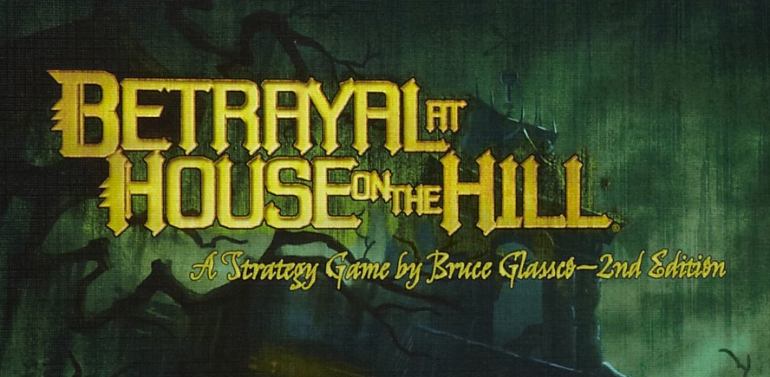
Image Credit: Wizards
This category is similar to the one above, but instead of everyone working together, there is a player or a group of players working against the objective of the team, often hidden from the rest of the players.
Some of the best semi-cooperative/traitor games are:
- Resistance
- Betrayal at House on the Hill
- Shadows of Camelot
- Dead of Winter
Just be warned–if someone in the group is really good at lying, there could be hurt feelings at the end of these games, but since the traitor(s) are randomly chosen, that does help in that regard.
Deck-Building Games

Image Credit: Upper Deck
There are two types of deck-building games: one where you have a pre-constructed deck that you are playing from and one where you build the deck as you go. The second type is the most common. You add cards to your deck to be able to play more cards and perform more actions to get you closer to winning.
Some deck-building games are:
- Magic the Gathering (preconstructed decks)
- Dominion
- Legendary
Role-Playing Games

Image Credit: Wizards
This is a category that is hard to define, but the best way that I can put it is that these are cooperative storytelling games. They’re often directed by one person who sets the scene for the story while the other players fill in details.
Popular role-playing games include:
- Dungeons & Dragons (check out our Dungeons & Flagons Podcast for what playing sounds like)
- Pathfinder
- Fiasco
- Shadowrun
- Star Wars
You can tell many different stories in many different ways giving a very fun experience for those playing the game.
Now that we’ve had a quick summary of the different types of games that are out there, you might be thinking, where do I start?
The one game that I’m going to single out is Ticket to Ride. It is fast to learn and light on rules. It really isn’t a game that ever causes hurt feelings, and can be played completely in about an hour, so it isn’t as much of a time investment. It’s a good introduction for those who want to check out games beyond the standards from 30 years ago.
Class Dismissed.
Feel free to reach out with questions, ideas for articles, or comments —
Email us at nerdologists@gmail.com
Follow us on Twitter at @NerdologistCast
Send me direct questions on Twitter at @TheScando
Visit us on Facebook
Leave a Reply
You must be logged in to post a comment.